
Energy bills in the UK remain high, and homeowners in Bristol are looking for practical ways to cut costs without compromising their homes’ comfort. Investing in home insulation, in particular external wall insulation, is one of the most effective steps you can take in 2026.
How External Wall Insulation Slashes Energy Bills
Your walls account for up to 35% of all the heat lost from an uninsulated property. That is a huge amount of energy you are paying for that escapes your home. External wall insulation adds a continuous thermal layer around your home, significantly reducing heat loss and keeping warmth inside where it should be.

According to the Energy Saving Trust, solid wall insulation can save a typical semi-detached home over £300 per year on heating bills. If your Bristol home is on the older side, you could save even more, especially by combining EWI with other insulation types.
Why 2026 Is the Right Time to Invest in Home Insulation
Energy efficiency standards across the UK are becoming stricter, and homeowners are looking for ways to improve their property’s energy performance. Rising energy costs have also made insulation upgrades more attractive as a long-term investment.
Investing in insulation now allows homeowners to take a proactive approach to rising energy costs. Rather than relying solely on heating to generate warmth, insulation works by retaining heat within the building structure. This approach improves efficiency across the property while also helping homeowners manage long-term running costs.
Where Is Your Home Actually Losing Heat?
Many homeowners are unaware of how much heat escapes through their property’s structure. In many UK homes, especially those with solid-wall construction, walls can account for a significant portion of total heat loss.
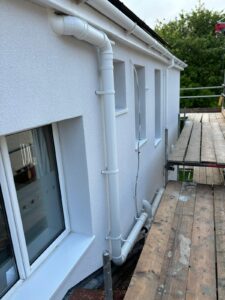
Heat commonly escapes through uninsulated solid external walls, thermal bridging within masonry, and gaps around door and window frames. External wall insulation addresses many of these issues at once by adding a continuous insulating layer around the building’s exterior. This reduces heat loss while also helping protect the building fabric from weather exposure.
What Is External Wall Insulation and How Does it Work?
External wall insulation involves fixing insulation boards directly to the outside walls of a property. These insulation materials are secured in place before being reinforced with a base coat and finished with a protective render layer.
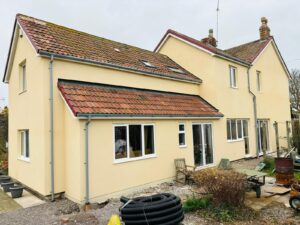
The system creates a durable insulated envelope around the property. This improves thermal performance while also providing protection from weather conditions such as wind and rain. Modern systems can use different insulation materials depending on the property’s structure. Expanded polystyrene and mineral wall are commonly used options, each selected based on the building’s performance requirements.
The Power of Combining EWI With Other Types of Insulation
Another important aspect to consider when evaluating the benefits of investing in insulation in 2026 is how external wall insulation works alongside other insulation upgrades. Many homes benefit from a combination of insulation improvements. Loft insulation, improved glazing, and upgraded heating systems can all contribute to greater energy efficiency.
However, walls are among the largest sources of heat loss. Addressing external walls with insulation often delivers one of the most noticeable improvements to overall thermal performance. By reducing heat loss through the building envelope, the property becomes easier to heat and maintain at comfortable temperatures.
Additional Benefits Beyond Energy Savings
While lower energy bills are often the main reason homeowners invest in insulation, there are several other benefits. Homes with effective insulation typically experience improved indoor comfort with a stable temperature throughout the year. Reducing cold spots can also help minimise condensation issues that sometimes occur on colder wall surfaces.
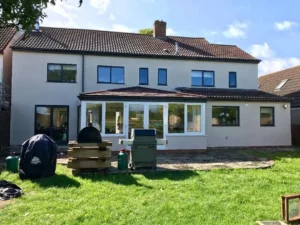
External wall insulation can also enhance a property’s appearance. Modern render finishes provide a clean, refreshed look while also protecting the exterior walls from weather exposure.
From a financial perspective, energy-efficient homes are becoming increasingly attractive to buyers. Improvements that enhance thermal performance can increase a property’s value and EPC rating.
Book Your Free EWI Home Survey Today
If you are exploring the benefits of investing in insulation in 2026, the best place to start is with a professional site survey. Every property is different, and selecting the right insulation system depends on the building’s structure, existing wall construction, and the performance goals you want to achieve.
You can book a site survey through our contact page, or call 0117 321 7770 to speak with our insulation specialists today.